Posts

Showing posts with the label heart attack

The Intricate Dance of Cholesterol and Heart Health
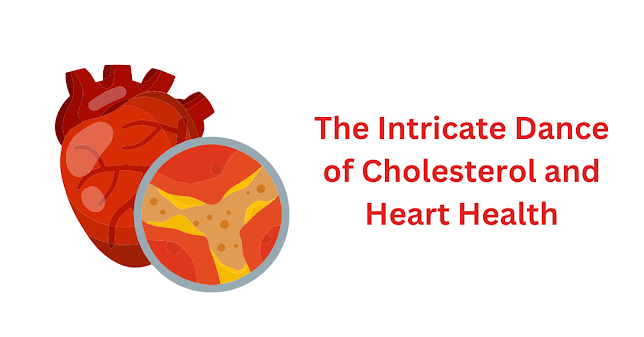
Image
Introduction Cholesterol is a fatty substance that often gets a bad rap. Mention the word, and many people immediately think of heart disease and blocked arteries. While it's true that high cholesterol levels can contribute to heart problems, the relationship between cholesterol and heart health is much more nuanced than most people realize. In this article, we will delve into the intricate dance of cholesterol and its connection to heart health. Understanding Cholesterol For the human body to operate properly, cholesterol is necessary. It is a critical component of cell membranes and is required for the synthesis of hormones, vitamin D, and bile acids that aid in digestion. Our bodies produce cholesterol naturally, primarily in the liver, but we also get it from the foods we eat. Cholesterol is transported through the bloodstream by lipoproteins, mainly low-density lipoprotein (LDL) and high-density lipoprotein (HDL). LDL Cholesterol: The "Bad" Cholesterol Low-density li...

Why Consulting a Cardiologist Heart Specialist is Essential

Image
When it comes to matters of the heart, seeking specialized care is of utmost importance. In the realm of cardiovascular health, consulting a cardiologist, also known as a heart specialist, can make a significant difference in diagnosing and treating heart-related conditions. This article explores the reasons why consulting a cardiologist is crucial for individuals concerned about their heart health, emphasizing the expertise, advanced diagnostic tools, and personalized treatment options they bring to the table. Expertise and Specialization  Cardiologists are medical professionals who specialize in the intricate workings of the heart and the entire cardiovascular system. Years of rigorous training, followed by extensive clinical experience, equip cardiologists with an in-depth understanding of cardiac conditions, their symptoms, and the most effective treatment strategies. They possess the expertise required to evaluate and interpret complex diagnostic tests and effectively communic...

The Lifesaving Benefits of Stent Treatment for Blocked Arteries

Image
  Having blocked arteries can be a serious medical condition and if left untreated, it can have life-threatening consequences. Luckily, stent treatment for blocked arteries is an effective way to treat this condition and can help save lives. In this blog post, we'll discuss the lifesaving benefits of stent treatment for blocked arteries and why it's such a valuable treatment option. We'll also explore what it involves, the risks, and how to get started. So if you're looking for a way to reduce your risk of cardiovascular disease, read on to find out more about stent treatment for blocked arteries. What is stenting? Stenting is a medical procedure used to treat blocked arteries. A stent is a tiny, expandable mesh tube that is inserted into an artery to keep it open and restore blood flow. It is typically made of metal or plastic, and comes in various sizes and shapes to fit different arteries and medical conditions. Stenting is a minimally invasive procedure that can be ...

Heart Attack Symptoms and How to Respond

Image
Heart attacks are a serious and life-threatening medical emergency that require immediate medical attention. Knowing the symptoms of a heart attack and what to do if one occurs can help to reduce the risk of serious complications or even death. In this blog post, we will discuss the symptoms of a heart attack, what you should do if you experience them, and how to help someone else who might be having a heart attack. We will also discuss how to reduce the risk of having a heart attack and steps to take in order to improve your heart health. Shortness of Breath One of the most common and most serious symptoms of a heart attack is shortness of breath. This symptom can range from a feeling of tightness in the chest to having difficulty getting enough air. It may also feel like you are not able to take a deep breath or catch your breath. In some cases, there may be no other symptoms present, making it even more difficult to recognize the signs of a heart attack.  If you experience short...